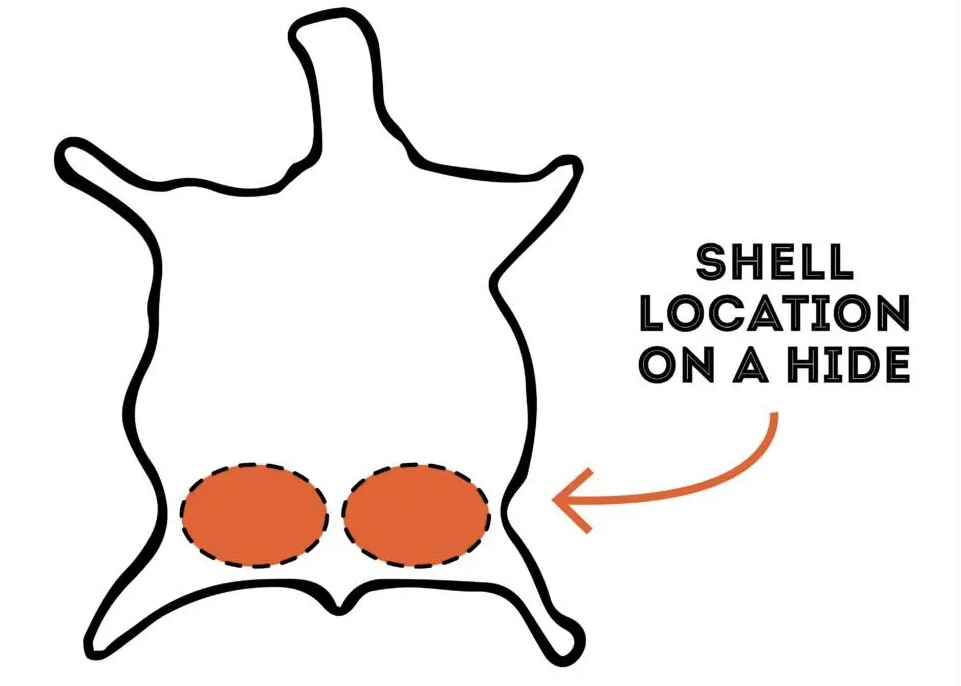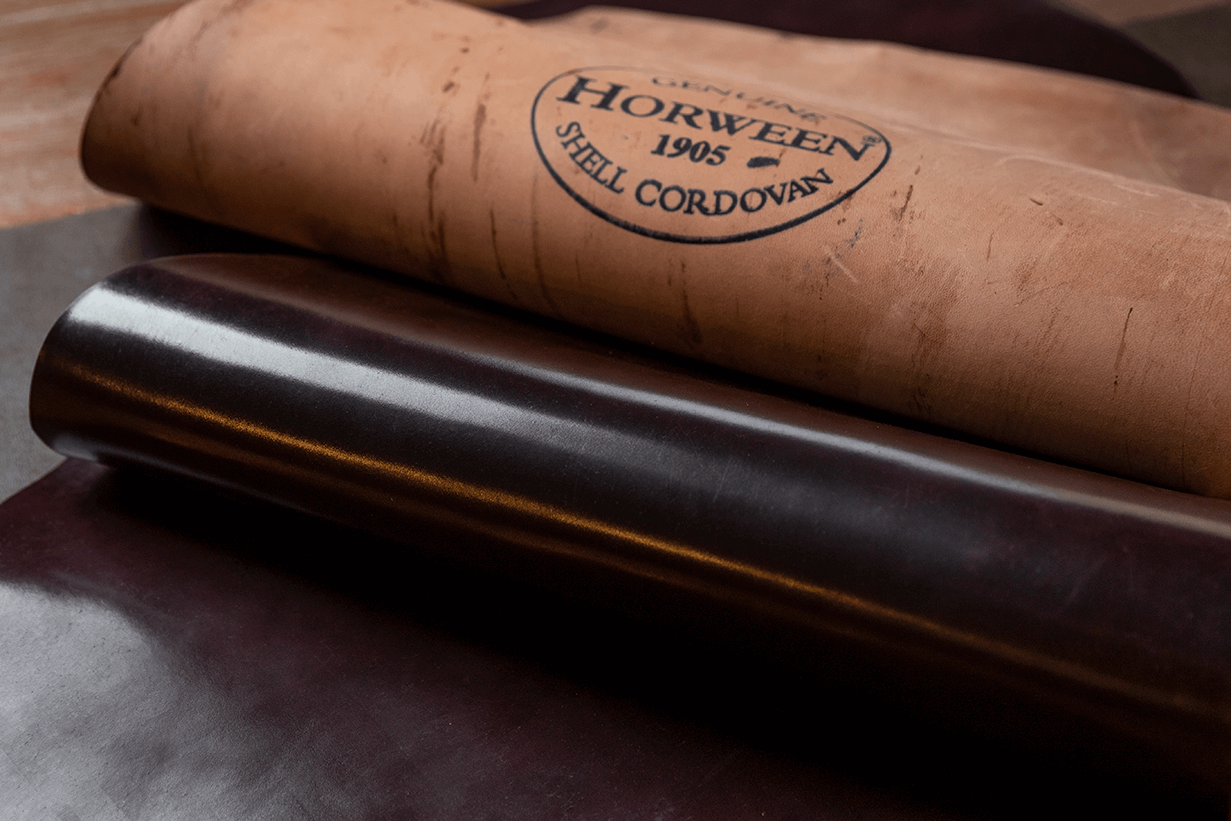

Cordovan is a specially treated membrane that originally lies between the epidermis and dermis of the horsehide. The finished cordovan looks like leather; it is quite thick, very hard-wearing, scratch-resistant and expensive.
The name “cordovan” comes from the city of Cordoba, which is located in the south of Spain – in the autonomous community of Andalusia. In these places tanners mastered the art of processing horse skins more than a thousand years ago, when Spain as a state did not exist, and the local territories belonged to the Arabs and were part of the Caliphate of Cordoba. Specially processed horse skin was used then for making strong and shiny boots, as well as for finishing shields and banners.
More or less modern technology of production of what today is sold under the name “cordovan”, was developed much later – at the end of the XIX century, and not in Spain, and in Germany. A little later – at the beginning of the 20th century – the German method was further developed in the USA. The Americans managed to make cordovan softer and more suitable for the production of shoes than its previous German “version”.
It takes about five months to produce a piece of cordovan leather, mainly because of the long process of tanning with vegetable matter. Sometimes the production period of this leather is also longer, if we are talking about high quality products from tanneries such as the American Horween.