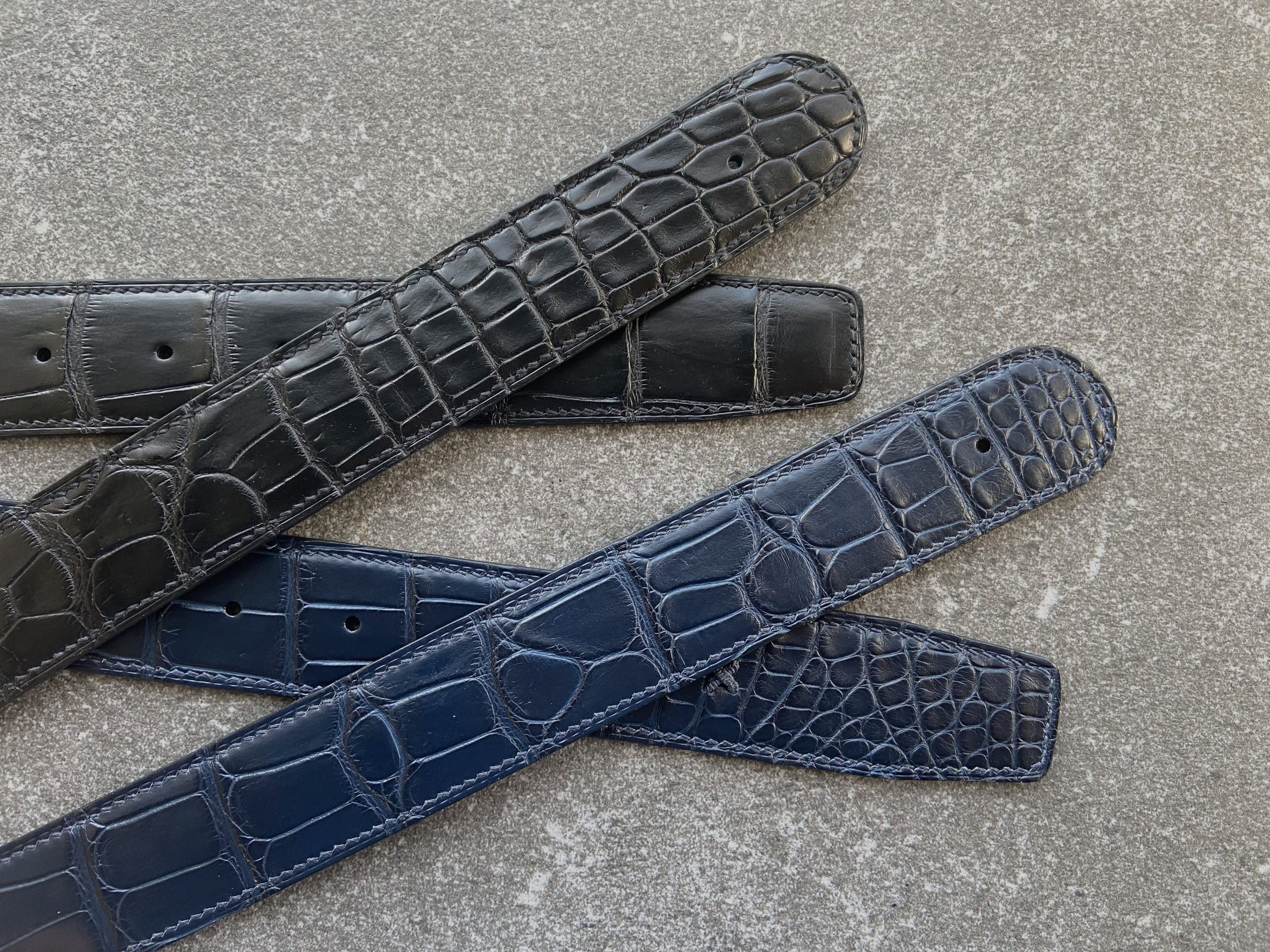
Introduction
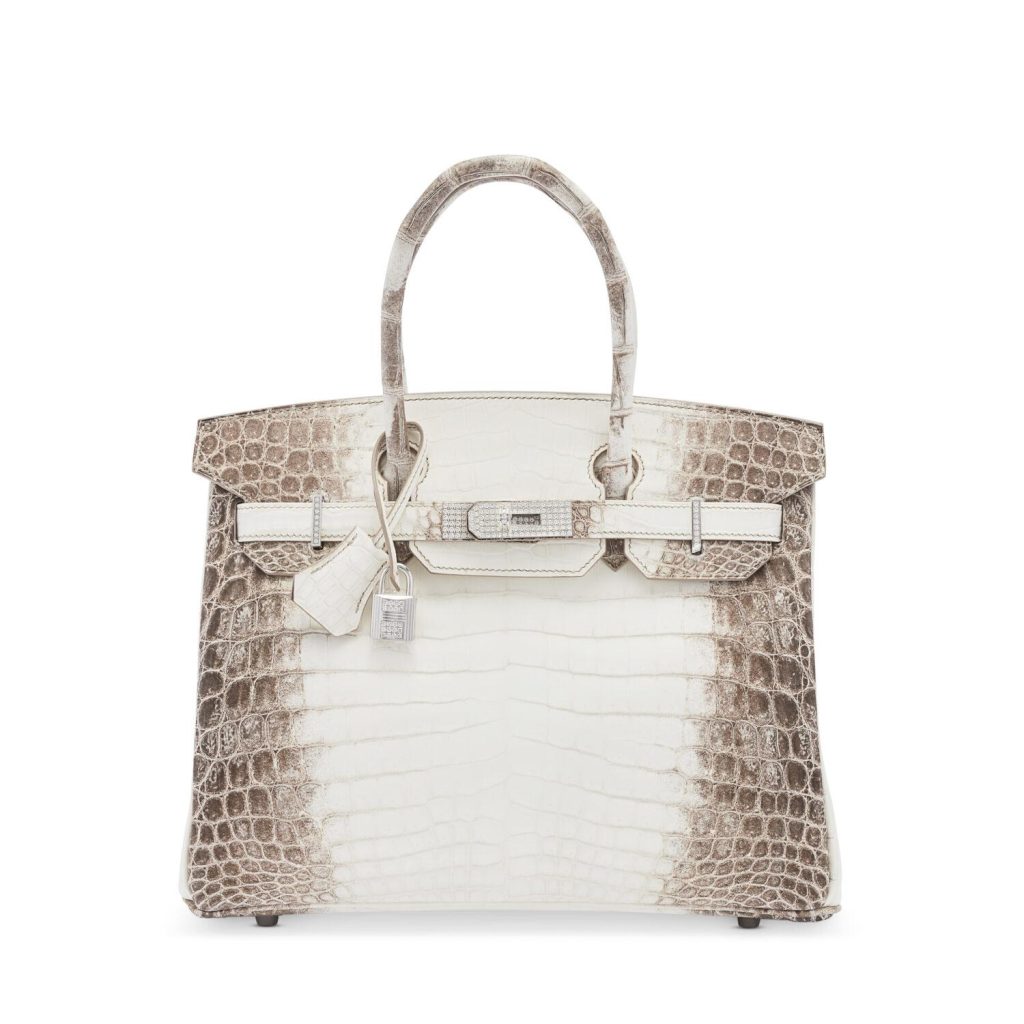
Himalaya crocodile leather is one of the most coveted exotic leathers in modern luxury. According to Sotheby’s, in 2022 the Diamond Himalaya Birkin 30 reached a price of over $450,000 in a private sale format. This once again emphasizes the status of the Himalaya finish as one of the most desired in the world of luxury.
Himalaya Crocodile leather is the result of the finest craftsmanship that turns a rare natural material into a true work of art. In this article you will learn how this luxurious visual effect is formed, how it differs from other finishes of exotic leather and why products made from it are considered one of the highest levels of elegance and style.
f you are looking for inspiration, ideas for your own products or want to understand why Himalaya has become a legend in the world of fashion, this article will reveal the nuances that true connoisseurs especially appreciate.
The allure of exotic leather: variety and uniqueness
For sophisticated connoisseurs, luxury is not just owning things, but an opportunity to emphasize taste and individuality. Exotic leather offers such a chance. Each hide has its own character and aesthetics that go beyond the familiar.
Exotic leather offers an amazing variety of options, each with its own expressive character. Whether it is the subtle pattern of snake leather, the soft and pliable texture of ostrich leather, or the distinctive architecture of crocodile leather, each material adds a special touch to any piece and a sense of refined luxury.
Exotic leather as a new level of luxury
Exotic leather takes us beyond the familiar world of bovine leather and opens the world of crocodilians, snakes, ostriches, and even some types of fish. These materials require more complex selection and more labor intensive tanning processes. This is exactly what creates their special appeal. Crocodile leather occupies one of the first places on this list.
Crocodile leather: the epitome of luxury sophistication
Crocodile leather, often called “croc”, is tanned and processed leather from one of several crocodile species. It is considered exotic due to its relative rarity and the high level of craftsmanship required to produce high grade hides ready for use in the manufacture of bags, shoes, belts and other accessories.
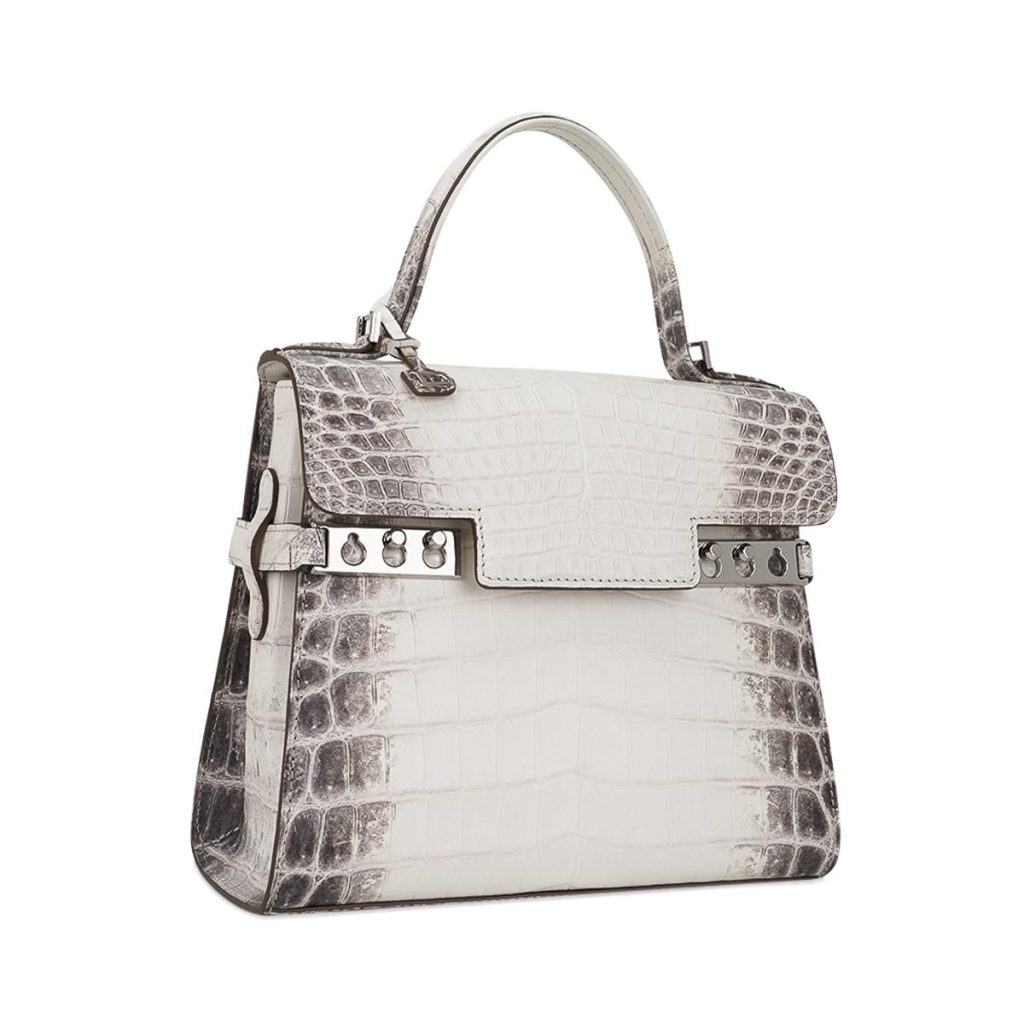

Crocodile leather is considered one of the most valuable materials and is present in the collections of leading brands such as Hermes, Chanel, Louis Vuitton, Fendi, Dior, Gucci, Delvaux, Prada and Bvlgari, Tiffany… Even if crocodile leather is “in trend” or “out of trend” in certain seasons, products made from it rarely lose value due to the rarity, aesthetic expressiveness of the material and the level of craftsmanship.
Main types of crocodiles used
In general terms, crocodile can refer to a number of species in the Crocodylidae family that are found in most regions of the world and inhabit rivers and wetlands.
- Crocodylus novaeguineae freshwater crocodiles from New Guinea, are among the most sought after. The hides of these crocodiles often have a matte or glazed finish, and the properties of the leather allow it to be split into thin layers, which makes the material more pliable for certain types of products.
- Crocodylus porosus saltwater crocodiles from Australia. This is a rare and one of the largest species of crocodiles. Due to their size, the hides are suitable for large items such as bags, briefcases and travel accessories.
- Crocodylus niloticus, Nile crocodiles, whose hides are often used in leather production due to their optimal size and availability. In length, a Nile crocodile can reach 2.4–4.2 m, and the width of the finished hide is usually in the range of 28–35 cm.
- Caiman (caiman) is often found in the more affordable segment of exotic leather. In texture and properties it differs from “classic” luxury crocodile hides and is usually used in simpler products.
What is Himalaya Crocodile leather?
Himalaya Crocodile leather (Himalaya Finish): the pinnacle of craftsmanship in leather finishing
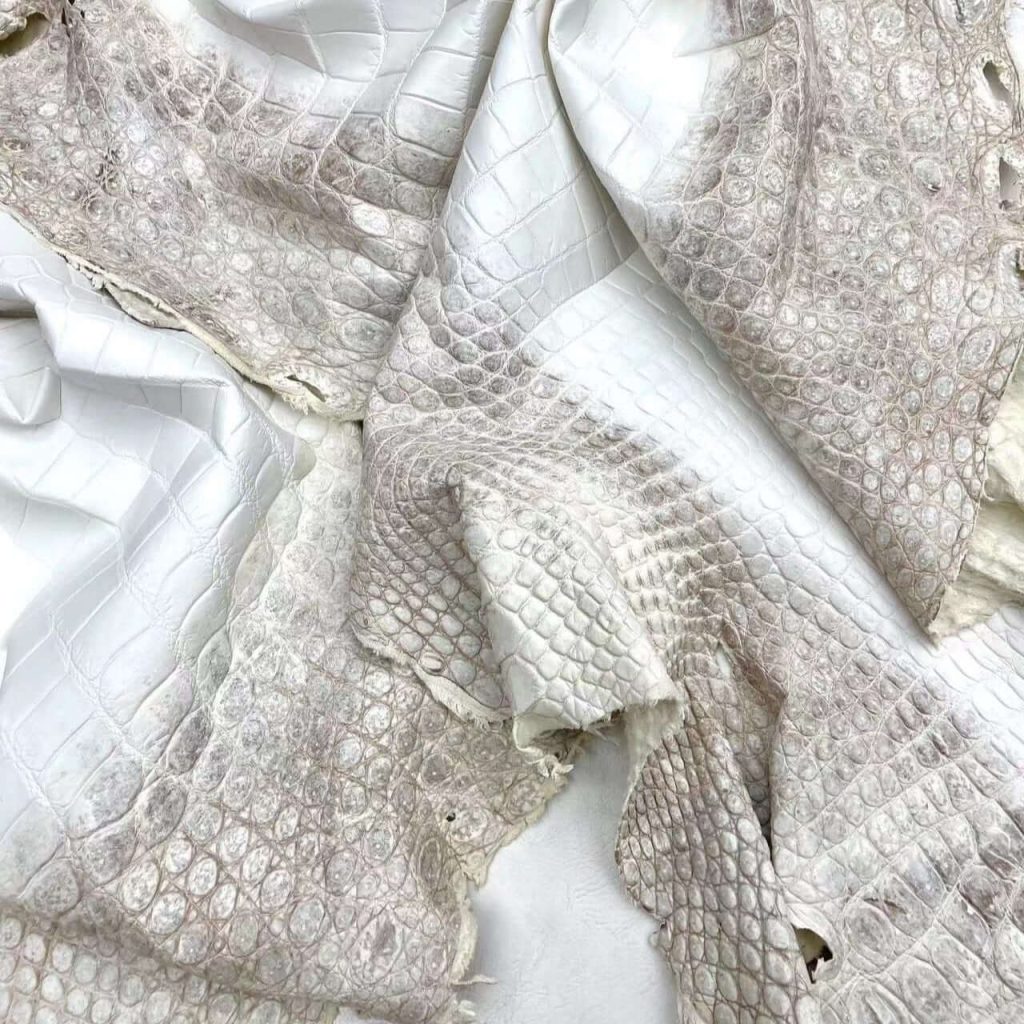
The term “Himalaya crocodile” is not related to the geographical origin of the animals and refers to a unique visual finishing effect. Most often it is found on hides that are selected for quality and symmetry of the pattern. In market practice, this finish is often associated with the Nile crocodile Crocodylus niloticus, but the key here is not “geography” and not the “species name”, but the quality of a particular hide and the craftsmanship of the finish.
The “Himalaya finish” makes it possible to achieve an effect reminiscent of the white grey shades of snowy peaks. This is not a single operation, but a combination of selection and multi stage finishing, the purpose of which is to preserve the purity of light tones and create a delicate transition from light to a deeper grey. Technological solutions may differ among different tanneries, but the task remains the same: to obtain a calm, natural gradient without sharp boundaries.
Features of processing Himalaya Crocodile leather
Careful selection of raw materials
The Himalaya process begins with selection. Here, not only the quality of tanning is important, but also density, surface cleanliness, symmetry of the pattern and an overall sense of harmony. In effect, craftsmen are looking for a “canvas” that will look cohesive and calm. This is what makes it possible to turn a rare natural material into a surface that is perceived as a work of art.
Himalaya leather is known for its light shades and an ombre effect that creates visual depth that most other materials cannot offer. Each hide retains natural characteristics, and this is where the value lies. Uniqueness in exotic leather is not a disadvantage. It is a sign of authenticity and natural origin of the material. The right approach to these characteristics makes it possible to create products that look restrained, expensive and timeless.
A practical note on use and care
Himalaya is valued primarily for its aesthetics and rarity. Light areas require more careful handling and clean habits, especially in everyday use. With reasonable care, the material retains its expressiveness for a long time and over time can acquire a noble depth.
The Himalaya Finish process: more than finish
Himalaya leather is in demand among leading brands and craftsmen because it is perceived as a rare visual code of the luxury segment. This material is chosen when one wants to emphasize not brightness, but subtle taste and a sense of measure. Unique natural markings and surface structure give each hide an individual character and visual value.
Eco friendly and responsible origin
It is important to note that the modern market for exotic leather in the legal segment relies on regulations and documentation for international trade in species, including CITES requirements. Specific requirements depend on the country and the supply chain, so professional sources and transparent origin of raw materials are important when working with such materials.
The careful craftsmanship invested in processing and transforming these hides into exquisite accessories enhances the natural beauty of the material and turns the object into a complete work. Details, composition and accuracy of execution are what matter here.
How I work with Himalaya in custom projects
In working with Himalaya, the most important thing for me is composition. I perceive this leather not as a “bright material”, but as a restrained visual accent that requires precise layout. I plan in advance which areas of the hide will go into the key elements of the product so that the gradient looks harmonious and calm.
I have also worked with the Himalaya finish in watch strap projects, and in a small format the requirements for symmetry and cleanliness of the transition become even stricter.
Link to my products
If it is important for you to see how Himalaya works in a real object, you can view my series of products with this leather in the store: Himalaya Series.
Conclusion
The allure of exotic leather truly knows no bounds. Combining rarity, expressive texture and the level of craftsmanship, products made from such materials become a symbol of refinement and restrained status. They give a special feeling of belonging to a world of aesthetics and exclusivity that sophisticated connoisseurs know how to appreciate.