WELCOME
To V.Kondratenko Studio — where unique leather goods come to life. Each piece is a story, crafted with soul and intention.
We Are Awesome Folow Us


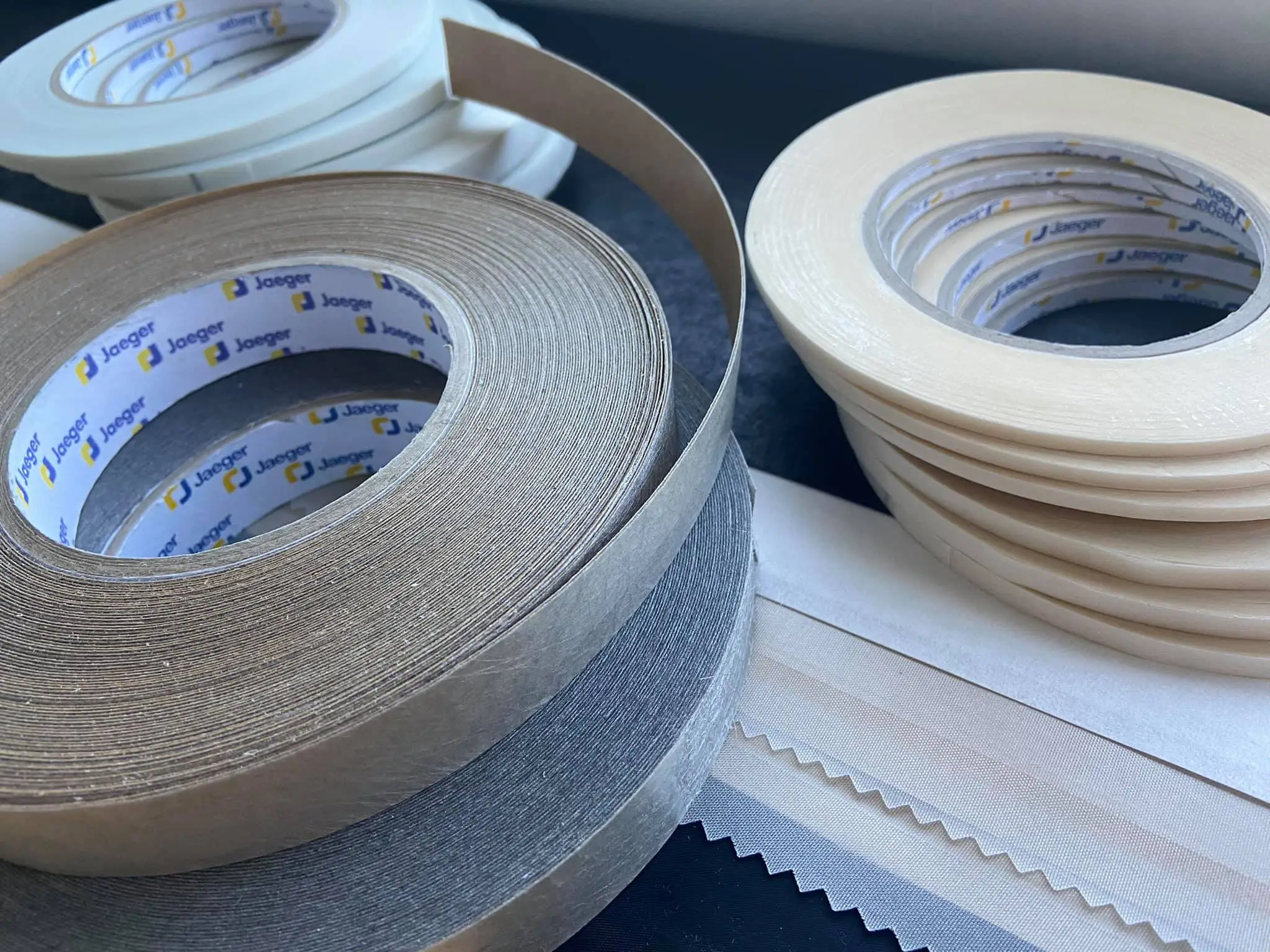
Jaeger reinforcements used in leathercraft and leather goods construction

Jaeger reinforcements are among the hidden materials I use when a leather object needs more control, more stability, or a more precise structural behavior than leather alone can provide. For someone outside the craft, this may sound like a minor technical detail. In practice, it is not. These hidden layers often influence how an object feels in the hand, how it holds its line, and how convincingly it performs over time.

In my work, I do not see a leather object as a surface alone. Good leather, clean stitching, and carefully chosen hardware are essential, but they are only part of the result. I also pay close attention to what happens inside the object. The hidden construction matters because it affects comfort, shape retention, resistance to stress, and the overall discipline of the finished piece.

This is where Jaeger reinforcements become especially relevant. I use them not as a standard routine applied everywhere in the same way, but as specific solutions for specific structural tasks. One reinforcement may help limit unwanted stretching. Another may stabilize a long narrow element. A different one may be better suited to a local area exposed to repeated stress. In other cases, the purpose is not only strength, but a more controlled and convincing architectural behavior of the part as a whole.Why I Use Jaeger Reinforcements

Why I Use Jaeger Reinforcements

This approach matters most in products where balance is critical. A watch strap, for example, should remain flexible and comfortable on the wrist, but it should not feel weak or unstable. It should follow the hand naturally while still keeping its line and structure. In such objects, reinforcement is not about making the piece rigid. It is about giving it discipline without sacrificing comfort.

The same logic applies to belts. A belt is a long and constantly stressed element, and it needs more than visual neatness. It should resist unnecessary stretching, maintain its integrity, and keep a stable character in use. A proper reinforcement helps the belt behave more convincingly over time, especially when the leather itself is soft, delicate, or chosen more for appearance and character than for pure structural resistance. In such cases, Jaeger reinforcements help me give the object more discipline without making it feel unnecessarily rigid.

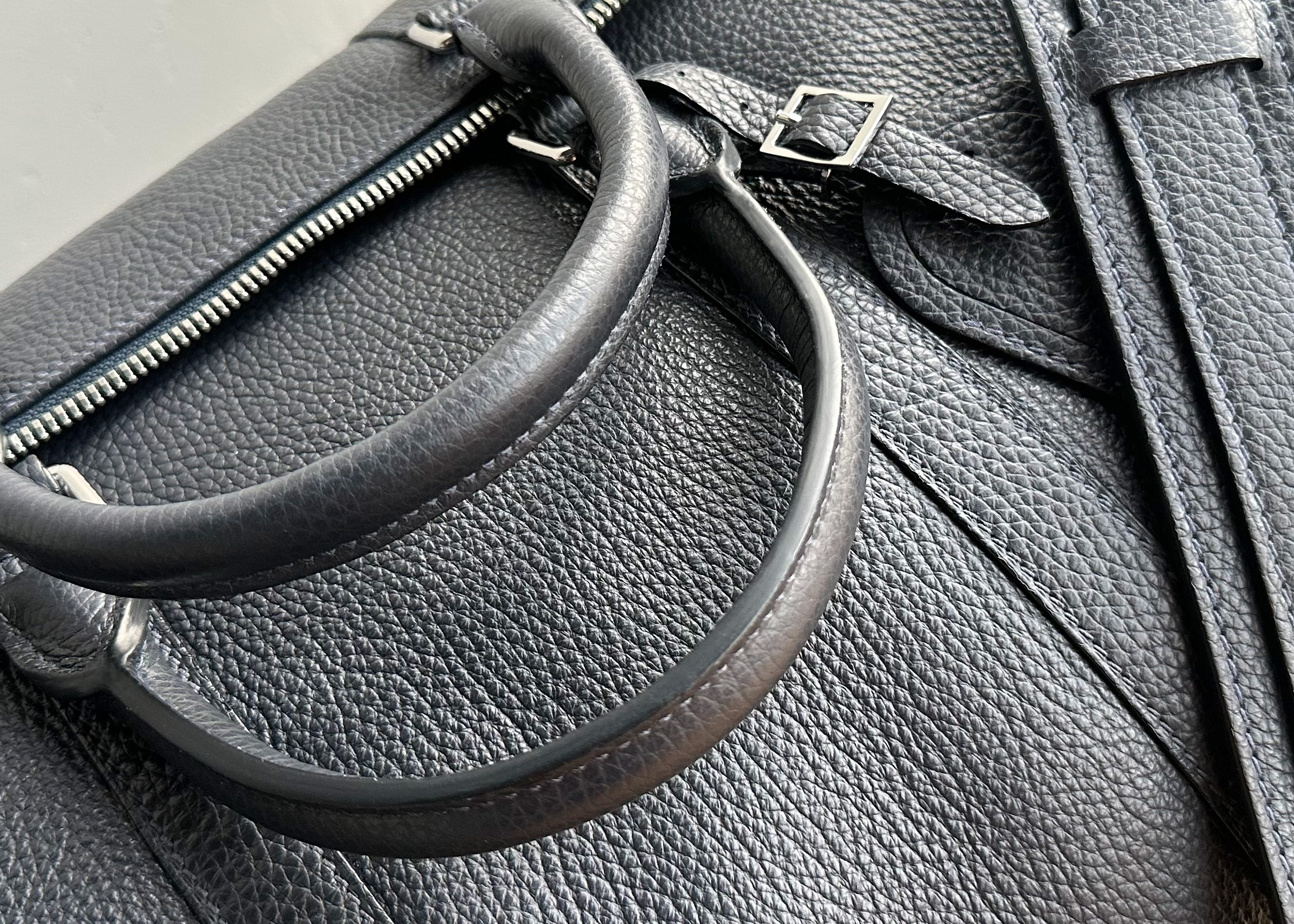
In leather goods, the role of reinforcement can become even broader. A bag or another structured object may need local reinforcement in stressed areas, more support in selected panels, or additional control in parts that define the silhouette. In such cases, reinforcement is not simply a hidden technical layer. It becomes part of the internal architecture of the object.

That is why I choose reinforcement materials according to the task, not according to habit. I use different formats depending on the construction and the expected behavior of the part. Some solutions are better suited to straps and narrow elements. Others work better in larger parts or in places where shape, support, or structural clarity matter more than tensile control alone. The choice also depends on how the material will be integrated into the making process and what kind of result I want from the finished object.

For the client, these materials usually remain invisible. But their effect is still there. It can be felt in the way a strap sits on the wrist, in the way a belt keeps its line, or in the way a leather object holds its shape with more confidence and clarity. These are not always dramatic effects when looked at casually, but they are part of what separates a merely attractive object from a well-resolved one.

This is also why I mention Jaeger in my product descriptions. It is not there as a decorative technical reference and not as a way to make the description sound more professional. I mention it because such materials are part of the real construction of the object. They belong to the decisions that shape how the finished piece behaves in use, not only how it looks in photographs.

If you would like to begin with the broader context, start with my article on Jaeger as a maker of reinforcement materials. For a more general introduction to the subject itself, you can also read my article on what reinforcement materials are and why they matter in leather goods.